Decorative glass bulbs.
A surface with a story.
Opal for a quieter room. A silver crown for contrast. Crackle, ice-flower and confetti for a little more personality. Compare seven decorative glass bulb finishes, both before and after switch-on.
Finish is a design decision.
Compare it in both states.
A decorative glass bulb has two jobs: look right in daylight and bring the right character when lit. Compare opal, mirrored, gradient and patterned surfaces against your room’s materials. Don’t make a finish audition only after dark.
Seven surfaces, from quiet to expressive.
Compare seven decorative glass bulb finishes in the original photographs. Match the surface to your material palette, then compare the unlit and illuminated sample.
OOL-DB-09
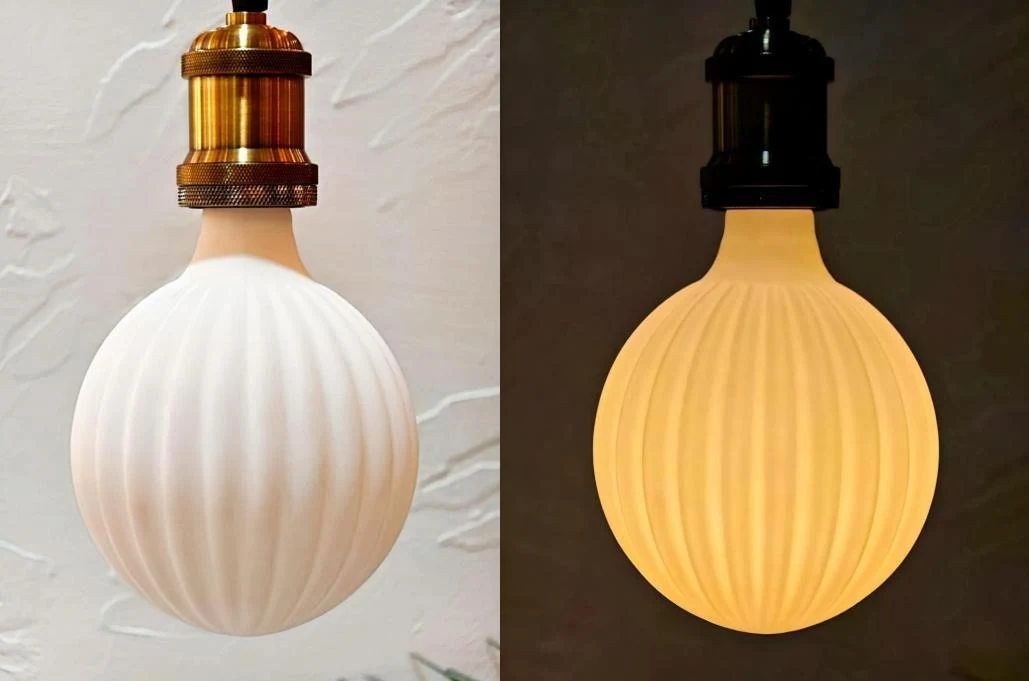
Opal Ribbed Globe
Raised ribs add definition to a milky-white globe for a calm, neutral look.
OOL-DB-10
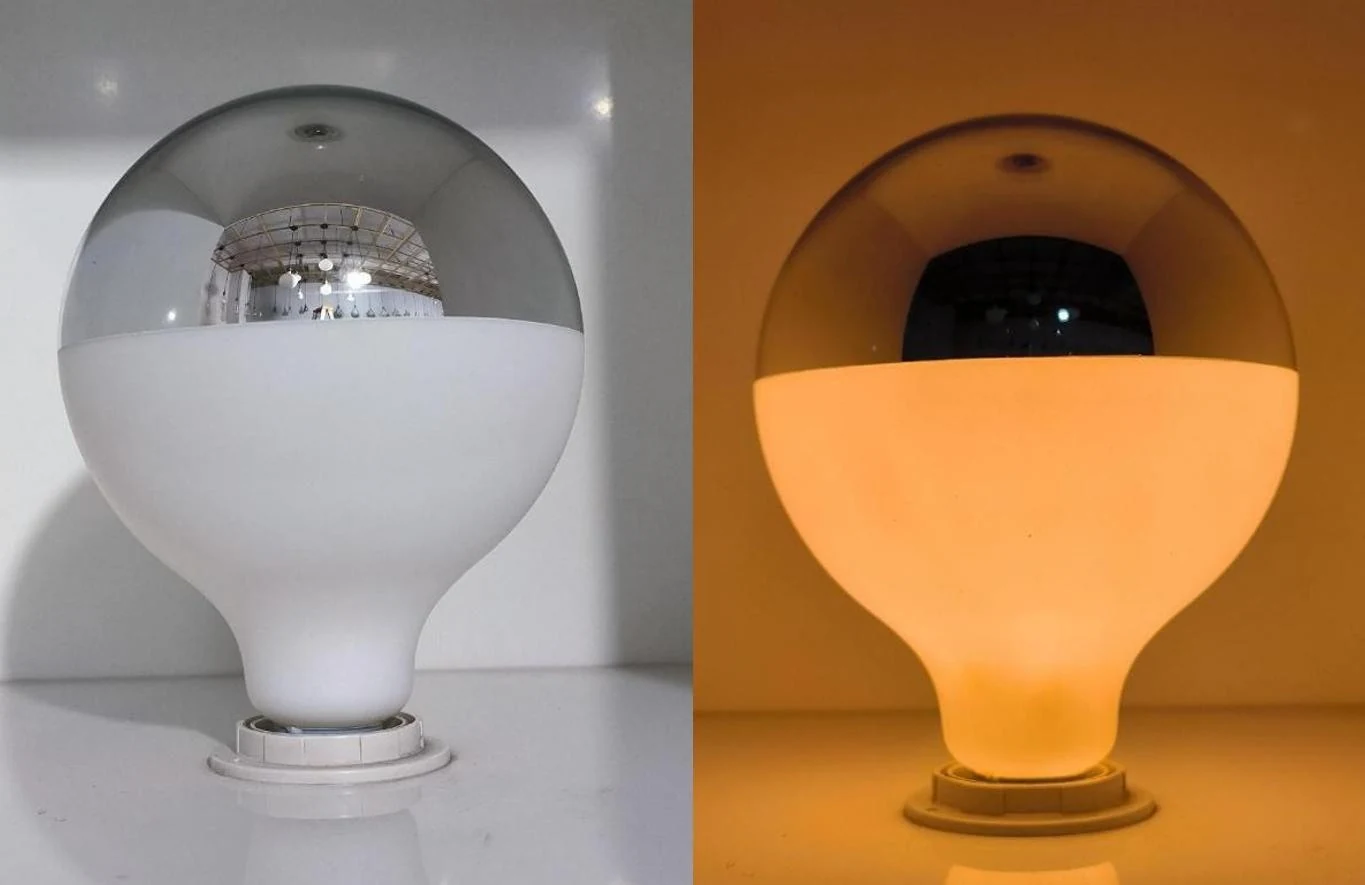
Opal Silver-Crown Globe
A silver-coloured mirror crown contrasts with the opal-white body.
OOL-DB-11
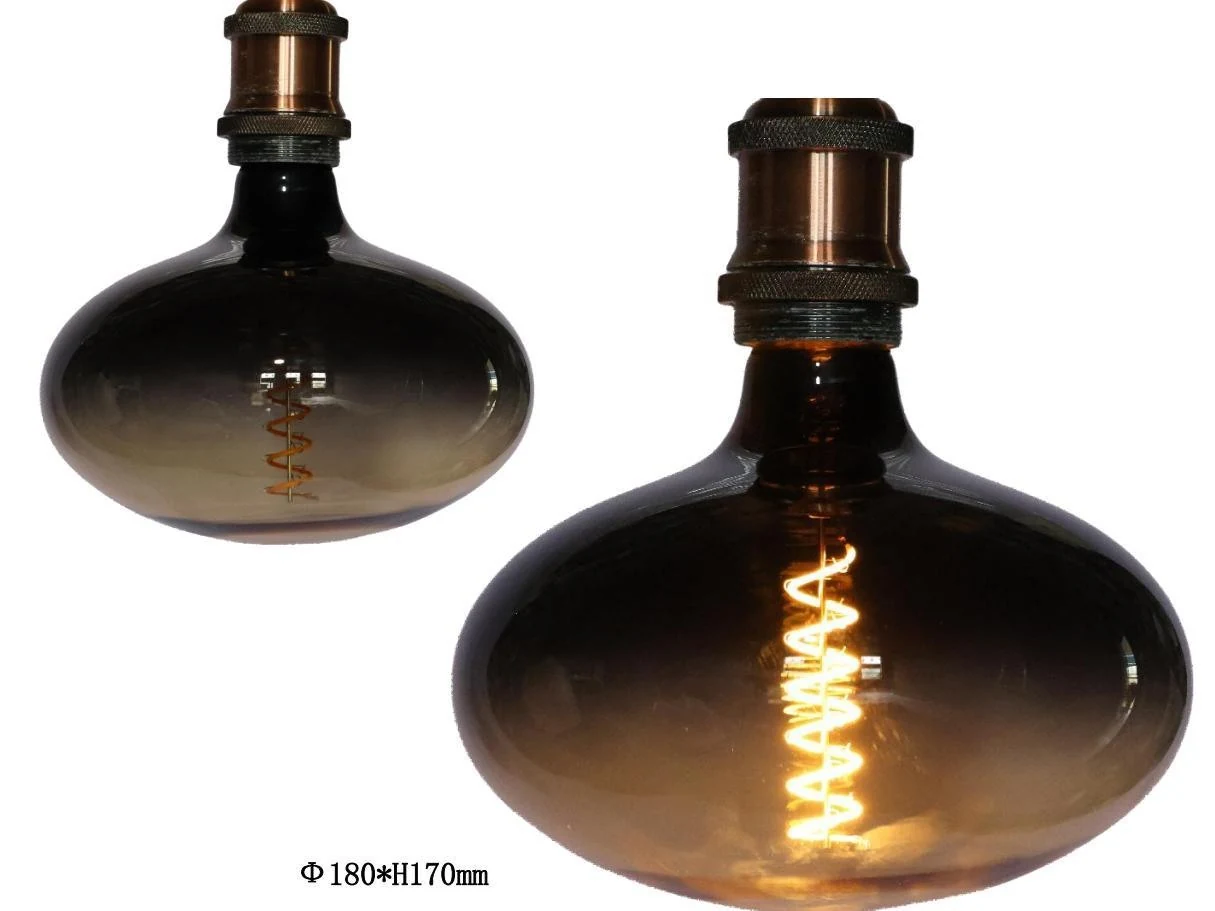
Gradient Oval
A flattened oval outline and a graduated surface colour create a distinctive accent.
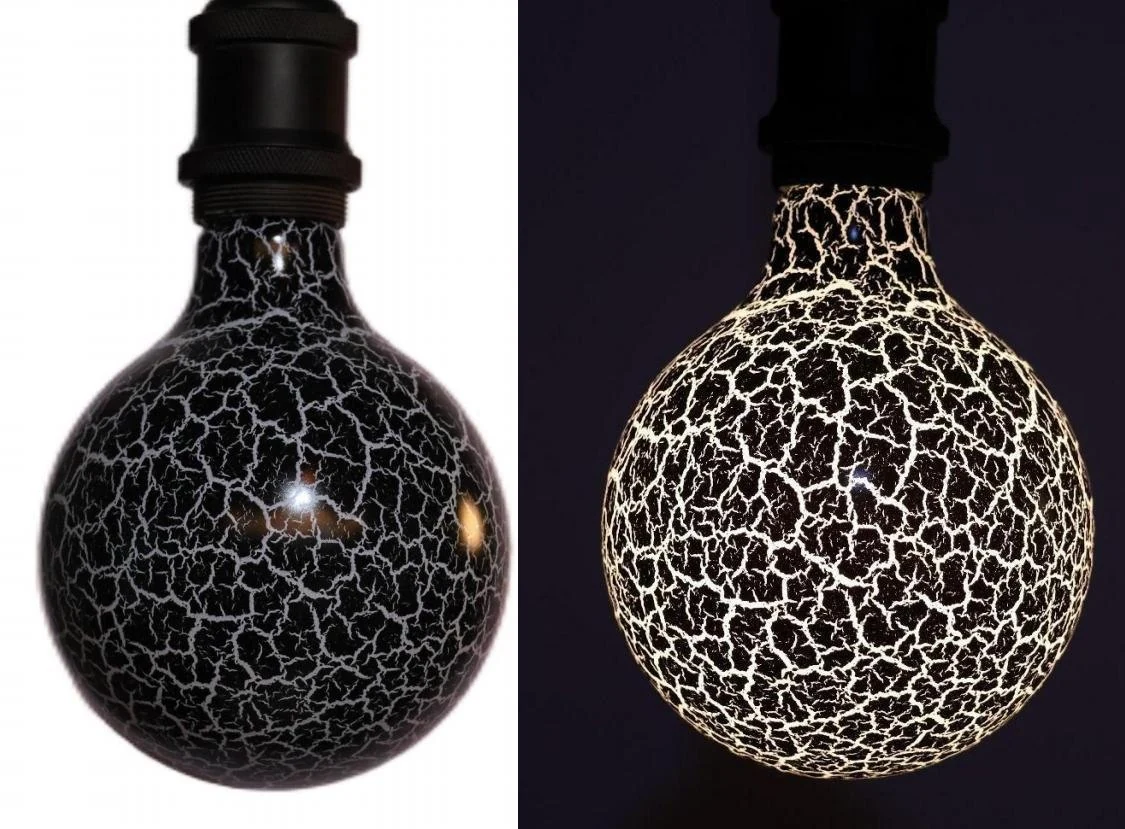
OOL-DB-12
Black Crackle Globe
A dark crackle-effect pattern becomes a fine, illuminated network when lit.
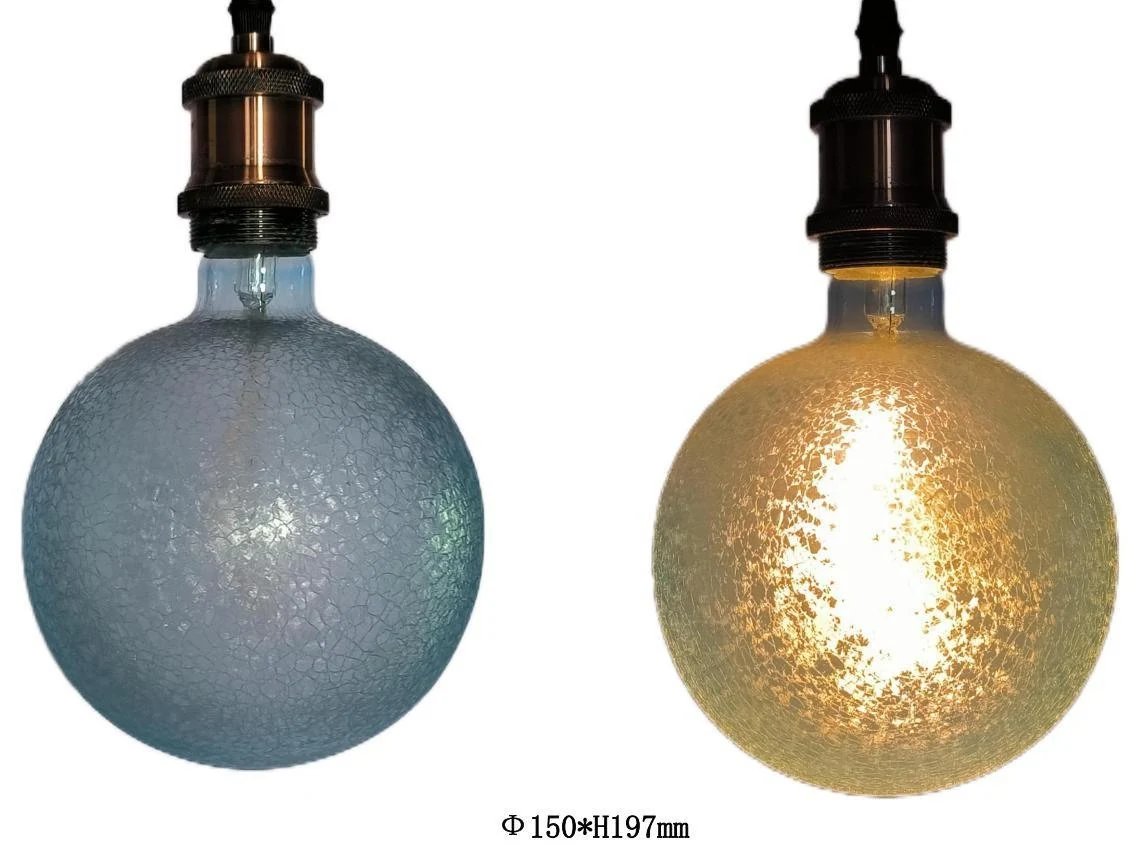
OOL-DB-13
Blue Ice-Flower Globe
A blue shell with an ice-flower effect offers a frosted, crystalline visual texture.
OOL-DB-14
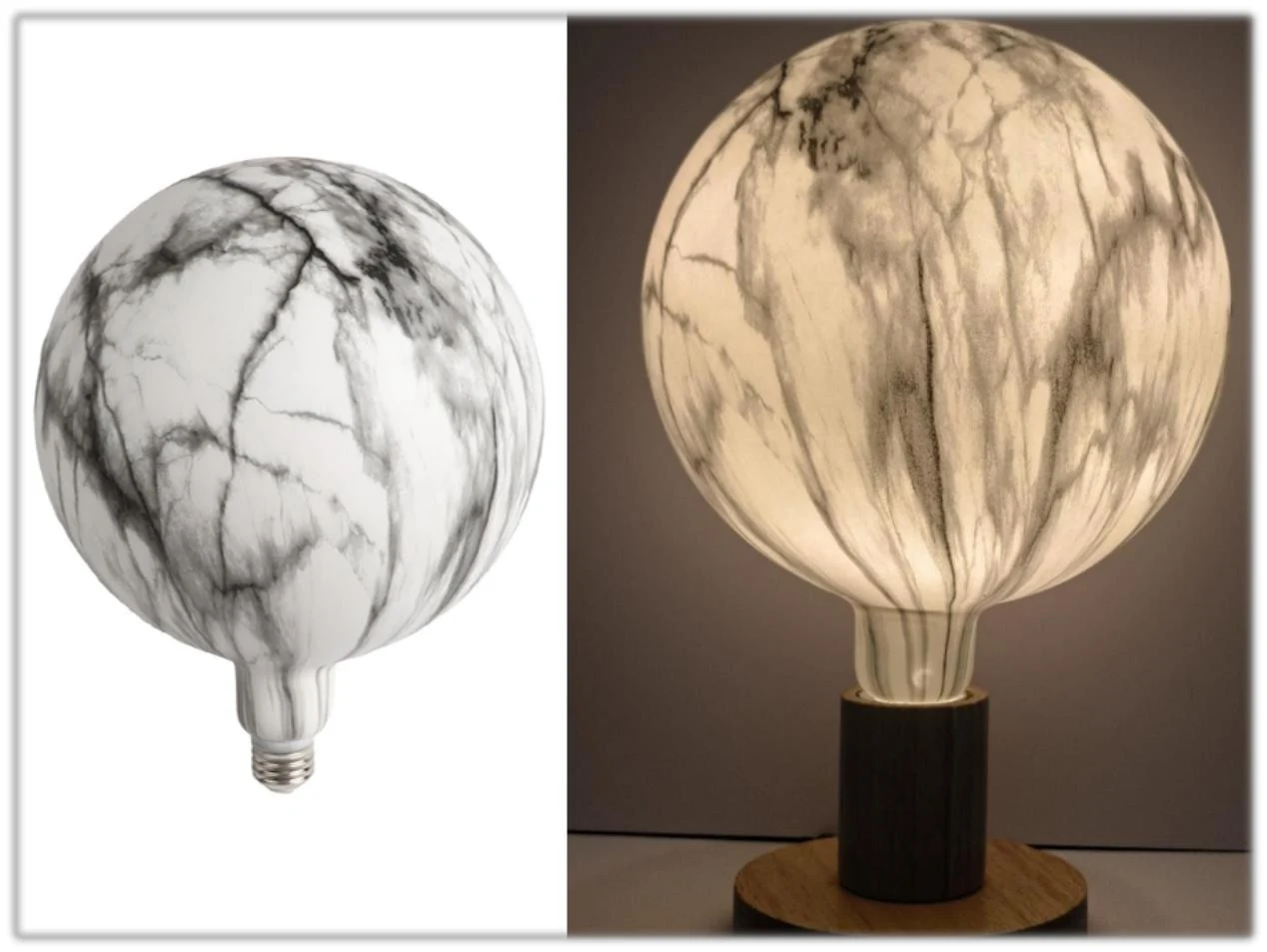
Marble-Effect Globe
Stone-inspired veining gives the globe a decorative presence both unlit and illuminated.
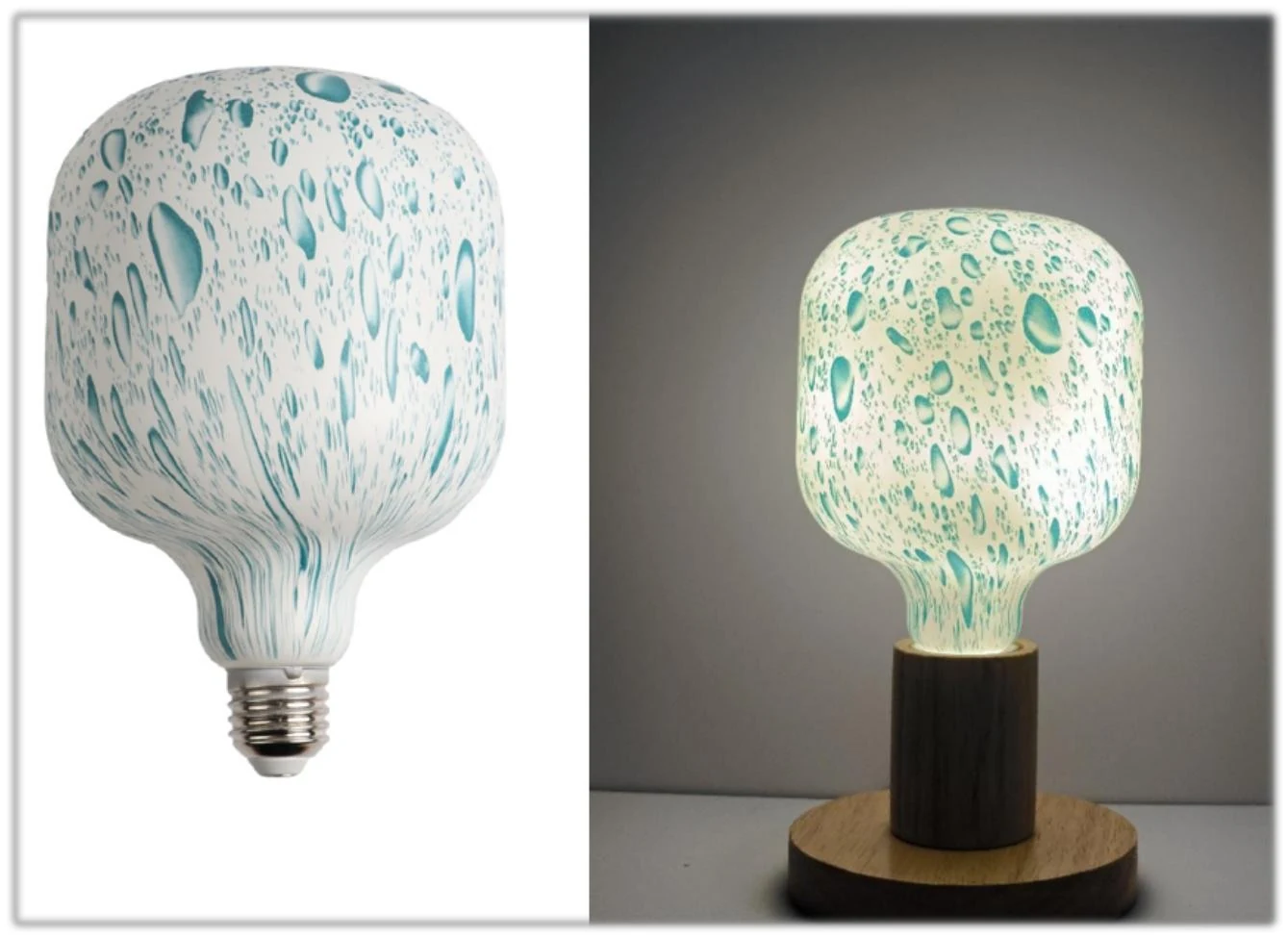
OOL-DB-15
Confetti Cylinder
A dotted, multicolour surface brings a playful pattern to a compact cylinder.
Use the OOL-DB reference to request a finish sample or quotation. Confirm the selected version’s dimensions, lamp base, voltage, wattage, emitted light colour, dimming and required certification before ordering; the reference identifies a visual selection, not an orderable SKU.
Read the surface.
Shape the mood.
Use opal to calm a busy material palette, a mirror crown to repeat a metallic detail, or patterned glass to make the bulb an accent. Bring the sample beside the timber, stone or fabric it will actually live with.
Opal & mirror crown
Opal ribbed glass sits quietly beside timber and fabric. A silver-coloured mirror crown adds a sharper contrast, especially when there’s a metallic detail nearby to pick up.
Crackle & ice flower
Choose black crackle for a graphic network of lines, or blue ice-flower for a crystalline-looking surface. Compare the unlit and illuminated source views: the pattern changes character with the light.
Stone, gradient & confetti
Stone-like veining, graduated colour and scattered dots bring a graphic direction to table lamps and interior displays. Use them as references when discussing a material or colour palette.
One finish.
Two visual readings.
Black Crackle Globe is a dark, graphic object in daylight and a fine network of light when switched on. Use the side-by-side photograph to choose the look you want, then judge the actual brightness with a sample.
Use this comparison when choosing samples: the daylight appearance and the illuminated view both belong to the design.
Choosing the glass.
Checking the finish.
Compare the surface in daylight, the illuminated colour and the materials around it.
Which finish suits a room with timber, fabric and muted colours?
Start with the opal ribbed globe for a quiet white surface. Choose the silver-crown version if a reflective detail will connect with nearby metalwork. For a bolder accent, compare marble-effect veining or the scattered colour of the confetti cylinder against your actual material palette.
What should I compare in an unlit and illuminated finish sample?
Look at the glass colour, surface pattern and reflections in daylight, then check how the pattern reads when lit. Black crackle is a useful comparison: a dark patterned globe becomes a fine illuminated network. Ask separately about the manufacturing process if your specification requires a particular coating or method.
Does blue glass mean the bulb emits blue light?
Blue is the glass-finish description, not a promise of blue light. Ask for the emitted light colour, colour temperature and an illuminated sample view of the selected version. Make the same check with gradient and confetti finishes.
What should I send for a custom glass-pattern enquiry?
Send the closest finish reference, artwork or colour palette, the bulb shape you want and an image of the intended setting. Add your target market and quantity. We’ll check the pattern’s feasibility and sample options for that design before discussing an order.
Turn a finish direction
into a useful sample brief.
Send the finishes you keep coming back to, along with your material palette and fitting details. Add the target market and quantity; for a custom pattern, include the artwork so we can check the design and sample options.